How Soon Can You Drive After Cataract Surgery?
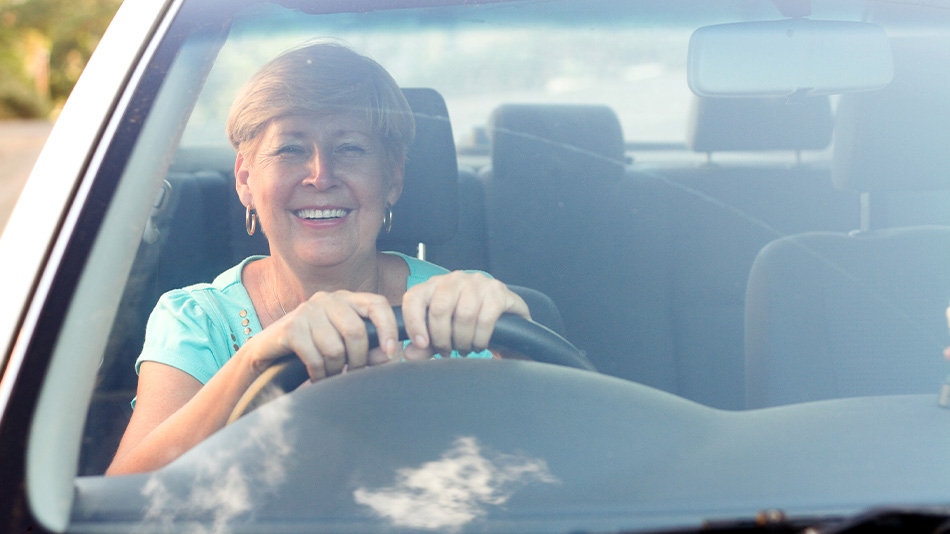
Cataract surgery is a incredibly successful procedure, and many people experience significant improvement in their vision shortly after the surgery. However, a common question patients have is: "How soon can I drive after cataract surgery?" It's a crucial question, as driving is an essential part of daily life for many individuals. In this blog, we’ll explore when it’s safe to return to driving, taking into account the recovery process and individual factors that affect your readiness.
Understanding Cataract Surgery
Cataract surgery involves removing the clouded natural lens of the eye and replacing it with a clear artificial lens, known as an intraocular lens (IOL). This procedure is highly effective in restoring vision that has been impaired by cataracts.
How Soon Can You Drive After Cataract Surgery?
While cataract surgery is typically quick and recovery is generally smooth, there are several factors to consider before getting back on the road. Most patients see improved vision within a day or two, but it’s important to allow enough time for your eyes to heal before you resume driving fully.
- Initial Recovery Time: After modern cataract surgery performed by Prof Ursell, patients can go back to strenuous activities, next day.
- Driving standards: In the UK, the legal standard for driving is to be able to read a number plate at 20 meters with both eyes open. Your vision may be blurry immediately after surgery, and it takes time for the eyes to adjust to the new intraocular lens (IOL) that replaces the natural cloudy lens. It's for this reason you may need to avoid driving for a day or so. If the recovery is quicker you can drive earlier. If you have good vision in the other eye then you can drive straight away if you can meet the driving standards.
- Follow-Up Appointment: A follow-up appointment is typically scheduled within the first week after the surgery to assess how well your eyes are healing and whether your vision is improving. Prof Ursell will check your vision and ensure that it’s safe for you to drive. For most patients, this is a key moment when we can confirm that your vision has stabilized enough to be safe behind the wheel. However if you feel comfortable enough testing yourself and you pass the standard then you don't have to wait.
- Vision Clarity: The clarity of your vision after cataract surgery plays a significant role in determining when it’s safe to drive. While most people experience noticeable improvements in vision within 1-2 days, your vision may still fluctuate for a short time as your eyes heal. Some patients may experience glare or halos around lights, especially at night, which can affect driving. If you experience these visual disturbances, it’s best to wait until they resolve before driving.
- Individual Factors: The timing for when you can drive after cataract surgery can vary based on individual factors such as age, overall health, and how quickly your eyes heal. Some people may heal faster and feel comfortable driving within a few days, while others may require a week or more. It's crucial to listen to your body and follow Prof Ursell's advice.
- Safety First: Even if your vision appears to be clear, it's important to err on the side of caution. Never drive if you feel uncertain about your vision or if Prof Ursell has advised against it. Your safety, and the safety of others on the road, should always come first. If you're unsure, consider asking a friend or family member to drive you until you're cleared to drive.
In general, most patients can resume driving within a few days after cataract surgery. However, it’s essential to follow Prof Ursell’s guidance and avoid driving until you’re fully comfortable with your vision. With proper recovery and care, you’ll soon be back to driving safely and enjoying your improved vision.
Take a Self Test
Not sure when you’ll be ready to drive after cataract surgery? Take our free self-test to assess your recovery progress and readiness to hit the road again.
Are you considering treatment?
If you’re in our area and would like to learn more about your options, our team would be happy to help. Drop us a line and we’ll call you back:
[wpseo_breadcrumb]
Are you suitable for vision correction surgery?
It isn’t suitable for everyone.
To find out more about your options, book a free video appointment with your Consultant Ophthalmic Surgeon:
Our most popular procedures
What our patients say…
★ ★ ★ ★ ★“Excellent result. Complete confidence in Paul Ursell. Quiet, quick, and efficient. Peaceful and comfortable hospital.”
 P.T
P.T★ ★ ★ ★ ★
“The cataract surgery on both of my eyes went very smoothly without any problems. There was no pain afterwards and I didn’t have to wear any eyepatch. I would highly recommend Professor Ursell for cataract surgery.”
 M.S
M.S★ ★ ★ ★ ★“Highly professional, extremely efficient, and an excellent communicator, Paul exudes experience, knowledge, and ability. The whole process — initial consultation, operation, and post-op check-up — was wonderfully stress-free. I now have 20/20 vision, am glasses-free, and I am delighted by the results.”
 S.B
S.B★ ★ ★ ★ ★
“The cataract surgery has completely changed my life. Mr. Ursell put me at ease and explained all options. The procedure was quick and painless and completely successful, and I now have 20/20 vision in my good eye. One of the reasons I had the surgery was because of Mr. Ursell’s standing and experience. Cannot praise highly enough.”
 D.S
D.S★ ★ ★ ★ ★
“I was very short-sighted and my cataracts badly affected both reading and distance acuity. After the operation I now have very good distance vision (glasses-free) but still need glasses for reading. (This was the expected outcome as I did not want multi-focus implants). The operation was quick and painless, and I had no post-operative discomfort at all (which surprised me). The results are remarkable.
I can certainly recommend Professor Ursell. He is a personable consultant and a skilled surgeon.”
 S.D
S.D★ ★ ★ ★ ★
“Dr. Paul Ursell squashed many of my concerns for not having cataract surgery. He offered comfort with examples of his long/distinguished career and new technology that he applies to the surgery.
Both before and after the surgery, Dr. Ursell and staff gave me the information and attention I needed. It was a great success, and I highly recommend Dr. Ursell.”
 PTO
PTOWe have replaced the images of real patients who provided these testimonials to protect their privacy.