Can I drink coffee before cataract surgery?
If you love your morning coffee, you might wonder whether it’s safe to have a cup before cataract surgery. Many patients ask this question during their pre-surgery consultations, after all, that first sip of coffee is part of their daily routine!
In this blog, we’ll explain what happens before cataract surgery, whether you can drink coffee or other drinks beforehand, and what to expect on the day of your operation. You’ll also hear expert guidance from Professor Paul Ursell, a leading cataract surgeon in Surrey, England.
Understanding cataract surgery
Cataract surgery is one of the most common and safest procedures performed today. It removes the cloudy lens from your eye (the cataract) and replaces it with a clear artificial lens called an intraocular lens (IOL).
The procedure is quick, usually 10 minutes, and done under local anaesthetic, so you’ll be awake but won’t feel any pain. Most people go home the same day and notice clearer vision within a few days.
Because it’s a delicate eye procedure, your medical team will give you specific instructions about eating and drinking before the operation. These are designed to keep you comfortable and safe.
Can you drink coffee before cataract surgery?
In most cases, you should not drink coffee (or any caffeinated drinks) before cataract surgery, especially if your procedure involves any kind of sedation.
Here’s why:
- Caffeine can increase anxiety or restlessness. Many people already feel nervous before surgery. Coffee can make your heart beat faster or raise your blood pressure, which isn’t ideal right before an operation.
- You may be asked to fast before surgery. If sedation or anaesthetic is used, your surgeon may tell you to avoid food and drink (including coffee) for several hours before your procedure. This helps prevent nausea and keeps you safe during the operation.
- Caffeine can cause dehydration. Coffee is a mild diuretic, meaning it can make you need to urinate more often. Staying hydrated is important before any surgery, and skipping caffeine can help maintain fluid balance.
That said, instructions can vary depending on your personal health and the type of anaesthetic used. Some people are allowed to drink small amounts of water or even black coffee several hours before the procedure. The key is to follow the specific advice given by your surgical team or by Professor Paul Ursell.
Why fasting is important before cataract surgery
You may be told to stop eating or drinking several hours before surgery. This is called fasting, and it’s a standard part of preparing for many medical procedures.
Even though cataract surgery is done under local anaesthetic (not general), some patients receive mild sedation to help them relax. Having food or drink in your stomach can increase the risk of nausea or vomiting during sedation.
That’s why your surgeon will provide clear instructions about:
- When to stop eating
- What you can drink
- Which medications you should still take with a sip of water
Professor Paul Ursell and his team will review your health history and give you specific guidance that’s right for you.
What if you accidentally drank coffee before surgery?
If you’ve had a small amount of coffee before your cataract surgery, don’t panic. The most important thing is to let your medical team know as soon as you arrive.
In many cases, a small amount of black coffee several hours before your appointment won’t cause problems. However, if you added milk, sugar, or drank it too close to your surgery time, your surgeon may choose to delay the procedure to keep you safe.
It’s always better to be honest and tell your care team exactly what you’ve eaten or drunk. They’ll make sure the best and safest decision is made for you.
Can I have coffee after cataract surgery?
Yes, once your surgery is over and you’re back home, you can enjoy your usual cup of coffee again!
Cataract surgery recovery is typically very comfortable, and most people can eat and drink normally within hours of their operation.
Just remember to:
- Stay hydrated by drinking plenty of water as well.
- Avoid rubbing your eye or getting anything in it.
- Take your prescribed eye drops as directed by Professor Paul Ursell.
Coffee itself won’t affect your healing or your new lens, but if caffeine makes you jittery or raises your blood pressure, it’s best to keep your intake moderate in the first few days while your eye heals.
Other drinks to avoid before surgery
If you’re unsure about what you can drink before cataract surgery, here’s a simple guide:
Avoid:
- Coffee (especially with milk or sugar)
- Tea
- Energy drinks
- Fizzy drinks or juices
- Alcohol
Usually allowed (if approved by your surgeon):
- Small sips of water up to two hours before surgery
Following these guidelines helps reduce the risk of nausea or complications during the operation.
Preparing for your cataract surgery day
Here’s what a typical surgery day looks like with Professor Paul Ursell in Surrey:
- Arrival: You’ll arrive at the clinic, check in, and meet the surgical team.
- Eye preparation: Numbing eye drops will be applied, and sometimes a mild sedative is given to help you relax.
- Surgery: The operation takes about 20 to 30 minutes. You won’t feel pain, just mild pressure or cool water sensations.
- Recovery: You’ll rest briefly afterward before heading home with an eye shield and your aftercare instructions.
Your vision will start to clear within a few days, and full recovery typically takes around four to six weeks.
Aftercare tips for a smooth recovery
Once you’re home, follow your aftercare plan carefully to help your eye heal properly.
- Use your eye drops as prescribed.
These prevent infection and reduce swelling. - Avoid rubbing or pressing on your eye.
This can interfere with healing. - Don’t drive until your vision is clear.
Your surgeon will let you know when it’s safe to resume driving. - Wear your protective eye shield at night.
This prevents accidental bumps or rubbing while you sleep. - Take it easy.
Avoid heavy lifting or strenuous activity for a week or two.
If you experience any unusual symptoms, such as pain, vision loss, or redness, contact your surgeon immediately. Professor Paul Ursell and his team are always available to support you throughout your recovery.
Final thoughts
So, can you drink coffee before cataract surgery? In most cases, it’s best to avoid it, especially if you’re having sedation. Following your surgeon’s fasting instructions will keep you safe and help your procedure go smoothly.
Once your surgery is complete, you can go back to your normal routine, coffee and all!
Cataract surgery with Professor Paul Ursell in Surrey is safe, fast, and life-changing. With expert care and clear guidance, you can look forward to sharper, brighter vision and a smooth recovery.
Take the suitability self test today to see if cataract surgery is right for you.
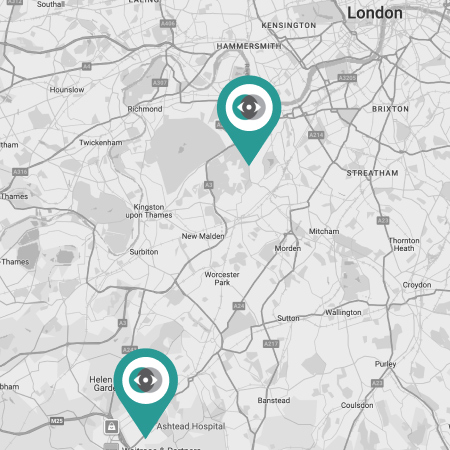
Are you considering treatment?
If you’re in our area and would like to learn more about your options, our team would be happy to help. Drop us a line and we’ll call you back:
[wpseo_breadcrumb]
Are you suitable for vision correction surgery?
It isn’t suitable for everyone.
To find out more about your options, book a free video appointment with your Consultant Ophthalmic Surgeon:
Our most popular procedures
What our patients say…
★ ★ ★ ★ ★“Excellent result. Complete confidence in Paul Ursell. Quiet, quick, and efficient. Peaceful and comfortable hospital.”
 P.T
P.T★ ★ ★ ★ ★
“The cataract surgery on both of my eyes went very smoothly without any problems. There was no pain afterwards and I didn’t have to wear any eyepatch. I would highly recommend Professor Ursell for cataract surgery.”
 M.S
M.S★ ★ ★ ★ ★“Highly professional, extremely efficient, and an excellent communicator, Paul exudes experience, knowledge, and ability. The whole process — initial consultation, operation, and post-op check-up — was wonderfully stress-free. I now have 20/20 vision, am glasses-free, and I am delighted by the results.”
 S.B
S.B★ ★ ★ ★ ★
“The cataract surgery has completely changed my life. Mr. Ursell put me at ease and explained all options. The procedure was quick and painless and completely successful, and I now have 20/20 vision in my good eye. One of the reasons I had the surgery was because of Mr. Ursell’s standing and experience. Cannot praise highly enough.”
 D.S
D.S★ ★ ★ ★ ★
“I was very short-sighted and my cataracts badly affected both reading and distance acuity. After the operation I now have very good distance vision (glasses-free) but still need glasses for reading. (This was the expected outcome as I did not want multi-focus implants). The operation was quick and painless, and I had no post-operative discomfort at all (which surprised me). The results are remarkable.
I can certainly recommend Professor Ursell. He is a personable consultant and a skilled surgeon.”
 S.D
S.D★ ★ ★ ★ ★
“Dr. Paul Ursell squashed many of my concerns for not having cataract surgery. He offered comfort with examples of his long/distinguished career and new technology that he applies to the surgery.
Both before and after the surgery, Dr. Ursell and staff gave me the information and attention I needed. It was a great success, and I highly recommend Dr. Ursell.”
 PTO
PTOWe have replaced the images of real patients who provided these testimonials to protect their privacy.