155+ ★★★★★ Reviews
12,000 Surgeries
Free Parking On-Site
Expert Cataract Surgery in London and Surrey with Professor Paul Ursell
Professor Paul Ursell is one of the UK’s leading cataract specialists. He has extensive experience focused entirely on cataract surgery. He is known for his careful, personalised approach, taking time to understand your lifestyle and recommending the lens option that best suits you.
Cataract surgery is a safe and effective way to restore clear vision when the natural lens of the eye becomes cloudy. It can also reduce dependence on glasses through a choice of advanced lens options.
Cataracts often cause blurred or hazy vision, glare from lights at night, and difficulty with everyday tasks such as reading or driving. These changes can develop gradually and become frustrating, but they are very treatable. Modern cataract surgery is quick and comfortable, with most patients noticing a clear improvement in their vision within days.
Professor Ursell specialises in vision correction, carefully selecting and implanting a replacement lens during surgery to restore clear vision and improve how you see day to day, helping many patients reduce their need for glasses.
Patients benefit from prompt access to consultation and treatment, without long waiting times. From your first appointment through to recovery, care is designed to be straightforward, reassuring and centred around you.
Why choose us for your Cataract Treatment?
Get in touch
Our experienced clinic team are ready to answer your questions about vision.
Cataract Surgery with Professor Paul Ursell
Cataract Doctor provides specialist cataract surgery for patients across London and Surrey, with convenient locations and prompt access to care.
Appointments are usually available without long waiting times, so you can address changes in your vision without unnecessary delay.
Book a consultation to discuss your vision and whether cataract surgery may be right for you.
“It has changed my life”
Watch Helen’s journey to clearer vision following cataract surgery with Professor Ursell
What Are Cataracts and When Do You Need Surgery?
A cataract develops when the natural lens inside the eye becomes cloudy. This lens normally focuses light onto the retina so you can see clearly. As it becomes less transparent, vision can appear blurred, hazy or dim.
You may notice increased glare, particularly when driving at night, or find that your glasses prescription changes more often. Colours can seem less vivid, and everyday tasks such as reading may become more difficult.
Cataracts usually develop gradually, most often as part of the natural ageing process, although they can occur earlier in some cases.
Common Symptoms of Cataracts
- Blurred or cloudy vision
- Increased glare or halos around lights
- Difficulty driving at night
- Colours appearing dull or yellowed
- Frequent changes in glasses prescription
- Difficulty reading or seeing fine detail
Many people adapt to these changes over time. However, once cataracts begin to affect your everyday activities, surgery is usually the most effective way to restore clear vision.
When Is Cataract Surgery Recommended?
Cataract surgery is typically recommended when changes in your vision begin to affect your day-to-day life.
This might include difficulty with:
- reading
- driving, particularly at night
- watching television
- hobbies or work
- feeling confident when out and about
In the past, cataracts often had to become more advanced before surgery was considered. Today, treatment is guided by how your vision is affecting you – and how much it is impacting your quality of life.
Cataract Surgery in Convenient London and Surrey Locations
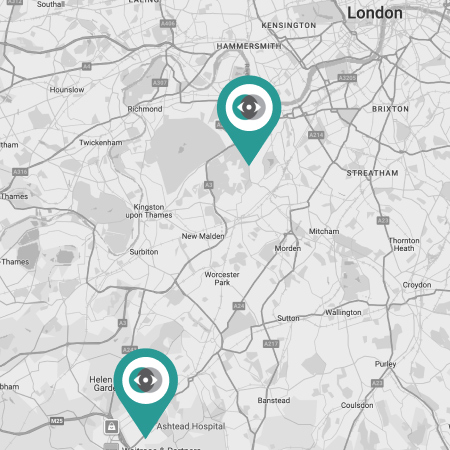
Cataract Doctor provides specialist private cataract surgery for patients across Greater London, Surrey and beyond. Our clinic locations have great transport connections and free on-site parking for patients who wish to see Prof Ursell.
Parkside Hospital
Parkside Hospital in Wimbledon is often chosen by patients in Southfields, Putney, Kingston upon Thames, Richmond, Fulham and Chelsea.
Ashtead Hospital
Ashtead Hospital in Surrey is often chosen by our patients in Epsom, Leatherhead, Dorking, Cobham, Guildford and Reigate.
Many patients travel from surrounding areas for treatment with Professor Ursell, combining expert care with easy access, immediate appointment availability and free on-site parking. Many patients also travel from abroad to benefit from vision correction by Professor Ursell.
Cataract Surgery Reviews
Authentic patient testimonials received from our patients on Google.
“Now having had my second cataract operation with Professor Ursell my distance and intermediate sight is better than I can ever remember. The procedure went painlessly and I am delighted with my new vision.”
-Jacqueline Moore, July 2026
“Every aspect of my treatment for cataracts with Professor Paul Ursell and his assistant Karen was delightful. The reassurance I received from the start about the pain free nature of the process and the brilliant early analysis and discussion of my condition were both exemplary. The operation is indeed pain free and the results of improved vision and greater intensity of colour were soon apparent”
-Will Bland, July 2026
“Fantastic result… no more reading glasses and the operation was so quick and easy. Cannot recommend Professor Ursell more highly.”
-Jane Fromson, June 2026
“My husband is extremely pleased with the results of his cataract surgery and he no longer needs glasses- an excellent outcome at 82 years of age!
Professor Ursell was very professional and courteous and the care at Ashtead hospital was excellent.”
-Lesley Newman, April 2026
“I developed early onset cataracts so had multifocal lenses implanted in both eyes. Professor Ursell took time from the outset (even before I’d decided to go ahead) to explain how everything would work which was greatly reassuring.
Both operations went smoothly and were less traumatic than I feared!
The results are excellent. I can read small print in books, text on my computer monitor and number plates at 30m, all without glasses. So I am effectively now glasses free which was obviously the result I was hoping for and for which I am very grateful.
In summary – highly recommended!”
-James Burstow, April 2026
“I just wanted to share a really positive experience I had with cataract surgery at Parkside Hospital. From the first consultation with Paul Ursell through to the procedure. Paul Ursell took the time to explain each step, which really helped ease any nerves. The surgery itself was much quicker and more comfortable than I expected.
If anyone is feeling anxious about cataract surgery, I hope this gives you a bit of reassurance!”
-Dee Scott, April 2026
Why Choose Professor Paul Ursell for Cataract Surgery?
Choosing the right surgeon is a key part of achieving the best outcome.
Professor Ursell is recognised as one of the UK’s leading cataract specialists and has performed over 12,000 eye procedures.
A Specialist in Cataract Surgery
Professor Ursell focuses on cataract surgery and lens-based vision correction, allowing him to offer the highest level of expertise in this field.
He has spent a career of over 30 years solely focussing on this problem.


Embrace A Personalised Approach to Lens Planning
Cataract surgery is also an opportunity to improve how your eyes focus.
You will receive a detailed assessment and tailored treatment plan based on your own visual needs and lifestyle.
Expertise in Complex Cases
Professor Ursell has vast experience managing a wide range of eyes and eye conditions, including astigmatism, presbyopia and more complex visual requirements.
He has spent over 20 years as a leader in the NHS dealing with complex and difficult cases of vision correction.
Immediate Access to Treatment
Appointments are available without long waiting times, allowing you to move forward with treatment when you need it.
How Cataract Surgery Works (Step-by-Step)
Cataract surgery removes the cloudy natural lens and replaces it with a clear artificial lens known as an intraocular lens (IOL).
Modern Cataract Surgery Explained
All procedures are performed using the modern technique called phacoemulsification.
A very small incision is made at the edge of the cornea. Ultrasound energy is then used to break up the cloudy lens so it can be gently removed. A folded artificial lens is inserted through the same opening and unfolds into position inside the eye.
Because the incision is so small, it naturally without stitches. This means you will not need to worry about the eye following the procedures. We now do not cover the eye with a patch, no stitches are needed and you can resume normal activities the next day.
What Happens on the Day of Surgery?
Cataract surgery is performed as a day-case procedure.
- Eye drops are used to dilate and completely numb the eye
- You remain awake but comfortable throughout
- The procedure typically takes less than 10 minutes
- You return home the same day
Is Cataract Surgery Painful?
No, cataract surgery is not usually painful. Most patients only feel a little mild pressure or awareness of light during the procedure.
No-Needle, No-Patch Cataract Surgery
Professor Ursell pioneered the no-needle, no-patch cataract surgery technique, which avoids injections around the eye and bulky postoperative patches.
Instead, anaesthetic drops are used to keep the eye comfortable. Patients usually leave with a light protective shield and are able to return home shortly afterwards.
Instead, anaesthetic drops are used to keep the eye comfortable. Patients usually leave with no obvious signs of the procedure and can resume normal activities the next day. Unlike NHS surgery you can wash your hair, bend over and rub the eye immediately due to the advanced techniques developed by Prof Ursell.
Cataract Surgery Patient Testimonials
“My mother had both cataracts done by Professor Ursell and she is delighted with the results.
She was incredibly apprehensive about the procedure but Prof Ursell was excellent at allaying her fears. He is personable and easy to interact with and his secretary, Karen, is very kind and helpful too.
The videos he sends at each stage of the process are very informative and it is useful to have them to refer back to rather than having to remember everything all at once.
The ability to have lenses made specifically for her now means she no longer needs to wear glasses for either short or long distance.
Overall an excellent result and we would both thoroughly recommend him.”
-Amanda Noble, April 2026
“Fantastic and seamless experience. Prof Ursell was excellent. He was clear about the whole process – my lens options, each step of the procedure and likely results. Answered all questions and concerns. The procedure for both eyes was quick and painless. Well organised. Great follow up. Karen was there to answer questions and promptly relay any concerns to Prof Ursell.
Delighted with result – no glasses and excellent vision for distance and reading. Huge thank you!!”
-SK, March 2026
“It’s a miracle! Double cataract operation with a perfect result. No glasses needed after 70 years and back playing tennis within the week. Many thanks Paul”
-Anne Bretherton, March 2026
Cataract Lens Options
Cataract surgery is also an opportunity to improve how your eyes focus and work together, not just to remove the cataract.
One of the key advantages of private cataract surgery is the ability to choose the lens that will replace your natural lens. Careful lens choice allows your treatment to be tailored to your eyes and your lifestyle.
Prof Ursell is vastly experienced in guiding patients to the best lens for their eyes.



Which type of lens should I choose?
There is no single lens that is best for everyone. The right choice depends on your eyes, your daily activities and your lifestyle.
Professor Ursell will carry out a detailed assessment and guide you through the pros and cons of your options, to help you make an informed decision.
Cataract Surgery in London and Surrey Pricing
All of our pricing is per eye. Our fees for surgery are below. Our pricing is transparent but please note that these are guide prices – there are some pre-existing eye conditions that can affect the final cost of treatment. Your cost will be discussed confirmed during your consultation with Professor Ursell.
Cataract Surgery in London Pricing (Parkside Hospital, Wimbledon)
Standard Cataract Surgery or Lens Replacement Surgery
- Including:
- High quality single-focus (monofocal) lens implant procedure
- Surgeon’s fee
- Hospital / theatre fees
- Aftercare including four weeks of followup appointments
Advanced Multifocal Cataract / Lens Replacement Surgery
- Including:
- Advanced, personalised lens options to correct both distance and reading vision
- Surgeon’s fee
- Hospital / theatre fees
- Aftercare including four weeks of followup appointments
Advanced Toric Cataract / Lens Replacement Surgery
- Including:
- Advanced lens options to correct both distance of vision and astigmatism
- Surgeon’s fee
- Hospital / theatre fees
- Aftercare including four weeks of followup appointments
Cataract Surgery in Surrey Pricing (Ashtead Hospital, Ashtead)
Standard Cataract Surgery or Lens Replacement Surgery
- Including:
- High quality single-focus (monofocal) lens implant procedure
- Surgeon’s fee
- Hospital / theatre fees
- Aftercare including four weeks of followup appointments
Advanced Multifocal Cataract / Lens Replacement Surgery
- Including:
- Advanced, personalised lens options to correct both distance and reading vision
- Surgeon’s fee
- Hospital / theatre fees
- Aftercare including four weeks of followup appointments
Advanced Toric Cataract / Lens Replacement Surgery
- Including:
- Advanced lens options to correct both distance of vision and astigmatism
- Surgeon’s fee
- Hospital / theatre fees
- Aftercare including four weeks of followup appointments
Can I spread the cost of treatment?
We offer interest-free credit for all treatments. The cost of surgery is spread over 24 months with no deposit to pay and no early repayment fees. Get in touch to find out more.
Frequently Asked Questions
The questions Kensington patients ask us most, answered so you can make the right choice for your eyes.
Does living with cataracts feel overwhelming?
Take control of your vision by booking an eye assessment, the first step toward a clearer, more confident life



Patient Testimonials
Professor Paul Ursell has carried out over 12,000 eye surgeries. Read feedback from some of our patients:

FAQs and information about vision correction
Everything you need to know about our practice and procedures

Can hyperthyroidism cause cataracts?
Do you have hyperthyroidism and worry about cataracts? Find out if one can cause the other, what signs to look for, and when to get help. Read the full blog.

Can I claim pip for cataracts?
Wondering if you can claim PIP for cataracts? Our simple guide explains when cataracts may qualify, how vision affects daily life, and how surgery with Professor Paul Ursell may help. Read the full blog now.

Can I colour my hair before cataract surgery?
Can you colour your hair before cataract surgery? Learn the safest timing, tips to avoid eye irritation, and guidance from Professor Paul Ursell. Read the full blog to stay prepared.
For more information about Cataract Surgery in London and Surrey
Educate yourself further about Premium Cataract Surgery. (These links will take you off our website.)
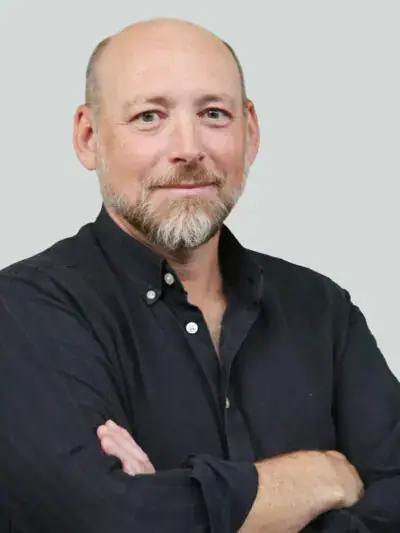
Hi, I’m Paul Ursell,
I’ve dedicated my career to making cataract surgery safer and easier for patients.
With over 25 years of experience and more than 10,000 cataract surgeries performed, I’m passionate about improving vision and quality of life.
I developed the ‘no needle, no patch’ technique now widely used across the NHS.
As Immediate Past President of the UK & Ireland Society of Cataract & Refractive Surgeons (UKISCRS), I’m here to bring you the highest standard of care.
Paul Ursell
MBBS MD FRCOphth