Cataract Surgery2026-04-09T16:08:52+01:00

Private Cataract Surgery in London & Surrey

Restore clear vision free from glasses with advanced lens surgery to eliminate cloudy vision, with one of the UK’s most experienced cataract surgeons

155+ Reviews

12,000 Surgeries

London & Surrey Locations

Expert Cataract Surgery in London and Surrey with Professor Paul Ursell

Professor Paul Ursell is one of the UK’s leading cataract specialists. He has extensive experience focused entirely on cataract surgery. He is known for his careful, personalised approach, taking time to understand your lifestyle and recommending the lens option that best suits you.

Cataract surgery is a safe and effective way to restore clear vision when the natural lens of the eye becomes cloudy. It can also reduce dependence on glasses through a choice of advanced lens options.

Cataracts often cause blurred or hazy vision, glare from lights at night, and difficulty with everyday tasks such as reading or driving. These changes can develop gradually and become frustrating, but they are very treatable. Modern cataract surgery is quick and comfortable, with most patients noticing a clear improvement in their vision within days.

Professor Ursell specialises in vision correction, carefully selecting and implanting a replacement lens during surgery to restore clear vision and improve how you see day to day, helping many patients reduce their need for glasses.

Patients benefit from prompt access to consultation and treatment, without long waiting times. From your first appointment through to recovery, care is designed to be straightforward, reassuring and centred around you.

Why choose Professor Paul Ursell?

  • Over 12,000 successful eye procedures

  • Dedicated specialist in cataract surgery and vision correction

  • Advanced no-needle, no-patch technique, developed by Professor Ursell

  • Convenient clinic locations across London and Surrey, with free on-site parking

Cataract Surgery with Professor Paul Ursell

Cataract Doctor provides specialist cataract surgery for patients across London and Surrey, with convenient locations and prompt access to care.

Appointments are usually available without long waiting times, so you can address changes in your vision without unnecessary delay.

Book a consultation to discuss your vision and whether cataract surgery may be right for you.

“It has changed my life”

Watch Helen’s journey to clearer vision following cataract surgery with Professor Ursell

What Are Cataracts and When Do You Need Surgery?

A cataract develops when the natural lens inside the eye becomes cloudy. This lens normally focuses light onto the retina so you can see clearly. As it becomes less transparent, vision can appear blurred, hazy or dim.

You may notice increased glare, particularly when driving at night, or find that your glasses prescription changes more often. Colours can seem less vivid, and everyday tasks such as reading may become more difficult.

Cataracts usually develop gradually, most often as part of the natural ageing process, although they can occur earlier in some cases.

Common Symptoms of Cataracts

  • Blurred or cloudy vision
  • Increased glare or halos around lights
  • Difficulty driving at night
  • Colours appearing dull or yellowed
  • Frequent changes in glasses prescription
  • Difficulty reading or seeing fine detail

Many people adapt to these changes over time. However, once cataracts begin to affect your everyday activities, surgery is usually the most effective way to restore clear vision.

When Is Cataract Surgery Recommended?

Cataract surgery is typically recommended when changes in your vision begin to affect your day-to-day life.

This might include difficulty with:

  • reading
  • driving, particularly at night
  • watching television
  • hobbies or work
  • feeling confident when out and about

In the past, cataracts often had to become more advanced before surgery was considered. Today, treatment is guided by how your vision is affecting you – and how much it is impacting your quality of life.

Cataract Surgery in Convenient London and Surrey Locations

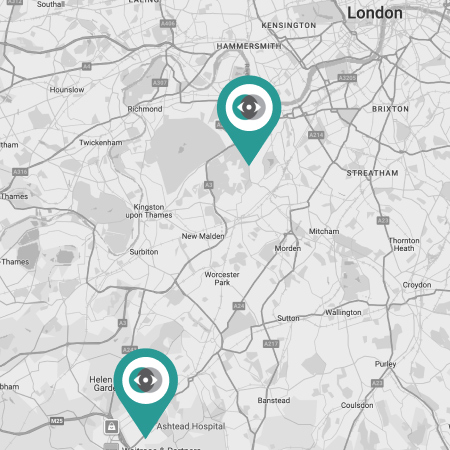
Cataract Doctor provides specialist private cataract surgery for patients across Greater London, Surrey and beyond. Our clinic locations have great transport connections and free on-site parking for patients who wish to see Prof Ursell.

Parkside Hospital

Parkside Hospital in Wimbledon is often chosen by patients in Southfields, Putney, Kingston upon Thames, Richmond, Fulham and Chelsea.

Ashtead Hospital

Ashtead Hospital in Surrey is often chosen by our patients in Epsom, Leatherhead, Dorking, Cobham, Guildford and Reigate.

Many patients travel from surrounding areas for treatment with Professor Ursell, combining expert care with easy access, immediate appointment availability and free on-site parking. Many patients also travel from abroad to benefit from vision correction by Professor Ursell.

Cataract Surgery Reviews

“Fantastic and seamless experience. Prof Ursell was excellent. He was clear about the whole process – my lens options, each step of the procedure and likely results. Answered all questions and concerns. The procedure for both eyes was quick and painless. Well organised. Great follow up. Karen was there to answer questions and promptly relay any concerns to Prof Ursell.

Delighted with result – no glasses and excellent vision for distance and reading. Huge thank you!!”

-SK, 24/3/26

“MAGNIFICENT – A Master of Genius. As a once “nervous patient”, totally transformed following cataract surgery by the incredible expertise, skill, professionalism and warm reassurance of Professor Ursell. A Master of his Craft.

Vision is now beyond all expectations.

Quite Miraculous. Highly impressive.

Remarkable transformation in clarity of vision.

TRULY GRATEFUL, THANKS!”

-Maro Rouge, 18/3/26

Why Choose Professor Paul Ursell for Cataract Surgery?

Choosing the right surgeon is a key part of achieving the best outcome.

Professor Ursell is recognised as one of the UK’s leading cataract specialists and has performed over 12,000 eye procedures.

A Specialist in Cataract Surgery

Professor Ursell focuses on cataract surgery and lens-based vision correction, allowing him to offer the highest level of expertise in this field.

He has spent a career of over 30 years solely focussing on this problem.

Cataract Surgeon Prof Paul Ursell Cataract Surgery in London and Surrey

Embrace A Personalised Approach to Lens Planning

Cataract surgery is also an opportunity to improve how your eyes focus.

You will receive a detailed assessment and tailored treatment plan based on your own visual needs and lifestyle.

Expertise in Complex Cases

Professor Ursell has vast experience managing a wide range of eyes and eye conditions, including astigmatism, presbyopia and more complex visual requirements.

He has spent over 20 years as a leader in the NHS dealing with complex and difficult cases of vision correction.

Immediate Access to Treatment

Appointments are available without long waiting times, allowing you to move forward with treatment when you need it.

How Cataract Surgery Works (Step-by-Step)

Cataract surgery removes the cloudy natural lens and replaces it with a clear artificial lens known as an intraocular lens (IOL).

Modern Cataract Surgery Explained

All procedures are performed using the modern technique called phacoemulsification.

A very small incision is made at the edge of the cornea. Ultrasound energy is then used to break up the cloudy lens so it can be gently removed. A folded artificial lens is inserted through the same opening and unfolds into position inside the eye.

Because the incision is so small, it naturally without stitches. This means you will not need to worry about the eye following the procedures. We now do not cover the eye with a patch, no stitches are needed and you can resume normal activities the next day.

What Happens on the Day of Surgery?

Cataract surgery is performed as a day-case procedure.

  • Eye drops are used to dilate and completely numb the eye
  • You remain awake but comfortable throughout
  • The procedure typically takes less than 10 minutes
  • You return home the same day

Is Cataract Surgery Painful?

No, cataract surgery is not usually painful. Most patients only feel a little mild pressure or awareness of light during the procedure.

No-Needle, No-Patch Cataract Surgery

Professor Ursell pioneered the no-needle, no-patch cataract surgery technique, which avoids injections around the eye and bulky postoperative patches.

Instead, anaesthetic drops are used to keep the eye comfortable. Patients usually leave with a light protective shield and are able to return home shortly afterwards.

Instead, anaesthetic drops are used to keep the eye comfortable. Patients usually leave with no obvious signs of the procedure and can resume normal activities the next day. Unlike NHS surgery you can wash your hair, bend over and rub the eye immediately due to the advanced techniques developed by Prof Ursell.

Cataract Surgery Patient Testimonials

“I have had the most fantastic cataract experience with Dr Paul Ursell! I highly recommend his expertise, skill and his team.”

-John Mitchell, 6/3/26

“It’s a miracle! Double cataract operation with a perfect result. No glasses needed after 70 years and back playing tennis within the week. Many thanks Paul”

-Anne Bretherton, 3/3/26

“I had multiple complications with my eye and so I needed to find an experienced surgeon for my cataract operation. Prof. Ursell made the whole experience very quick, friendly and straightforward, although I could tell that there was a lot of high tech work going on behind the scenes. Highly recommended.”

-Keith Frewin, 27/2/26

Cataract Lens Options

Cataract surgery is also an opportunity to improve how your eyes focus and work together, not just to remove the cataract.

One of the key advantages of private cataract surgery is the ability to choose the lens that will replace your natural lens. Careful lens choice allows your treatment to be tailored to your eyes and your lifestyle.

Prof Ursell is vastly experienced in guiding patients to the best lens for their eyes.

Monofocal Lenses

Monofocal lenses provide clear vision and you will need glasses to read after the procedure.

Most patients can see well for driving, walking outdoors and watching TV.

Reading glasses are usually still needed for reading and close work.

Best for: patients who are happy to wear reading glasses but want the highest quality distance vision and don’t have any astigmatism.

Toric Lenses

Astigmatism is where the eye is slightly irregular in shape, causing blurred or distorted vision.

Toric lenses are designed to correct astigmatism during cataract surgery, which will improve sharpness of vision and reduce the need for glasses.

Best for: patients with astigmatism who want clearer distance vision without relying on glasses.

Multifocal Lenses

For the most personalised vision, these lenses are designed to provide vision at distance and close up.

For suitable patients, they can reduce your dependence on glasses for reading, phone use, computer work and other everyday activities.

Best for: patients who would like clear vision at distance and close up, without glasses.

Blended Vision

Blended vision to correct Presbyopia (the need for reading glasses) involves adjusting one eye for distance and the other for near vision.

This approach can provide functional vision across a range of distances while reducing reliance on glasses.

Best for: patients who are comfortable with a small difference between each eye to achieve greater overall visual freedom.

Which type of lens should I choose?

There is no single lens that is best for everyone. The right choice depends on your eyes, your daily activities and your lifestyle.

Professor Ursell will carry out a detailed assessment and guide you through the pros and cons of your options, to help you make an informed decision.

Cataract Surgery in London and Surrey Pricing

All of our pricing is per eye. Our fees for surgery are below. Our pricing is transparent but please note that these are guide prices – there are some pre-existing eye conditions that can affect the final cost of treatment. Your cost will be discussed confirmed during your consultation with Professor Ursell.

Cataract Surgery in London Pricing (Parkside Hospital, Wimbledon)

Standard Cataract Surgery or Lens Replacement Surgery

£3100per eye
  • Including:
  • High quality single-focus (monofocal) lens implant procedure
  • Surgeon’s fee
  • Hospital / theatre fees
  • Aftercare including four weeks of followup appointments

Advanced Multifocal Cataract / Lens Replacement Surgery

£4200per eye
  • Including:
  • Advanced, personalised lens options to correct both distance and reading vision
  • Surgeon’s fee
  • Hospital / theatre fees
  • Aftercare including four weeks of followup appointments

Advanced Toric Cataract / Lens Replacement Surgery

£3800per eye
  • Including:
  • Advanced lens options to correct both distance of vision and astigmatism
  • Surgeon’s fee
  • Hospital / theatre fees
  • Aftercare including four weeks of followup appointments

Cataract Surgery in Surrey Pricing​ (Ashtead Hospital, Ashtead)

Standard Cataract Surgery or Lens Replacement Surgery

£2914per eye
  • Including:
  • High quality single-focus (monofocal) lens implant procedure
  • Surgeon’s fee
  • Hospital / theatre fees
  • Aftercare including four weeks of followup appointments

Advanced Multifocal Cataract / Lens Replacement Surgery

£4354per eye
  • Including:
  • Advanced, personalised lens options to correct both distance and reading vision
  • Surgeon’s fee
  • Hospital / theatre fees
  • Aftercare including four weeks of followup appointments

Advanced Toric Cataract / Lens Replacement Surgery

£3751per eye
  • Including:
  • Advanced lens options to correct both distance of vision and astigmatism
  • Surgeon’s fee
  • Hospital / theatre fees
  • Aftercare including four weeks of followup appointments

Can I spread the cost of treatment?

We offer interest-free credit for all treatments. The cost of surgery is spread over 24 months with no deposit to pay and no early repayment fees. Get in touch to find out more.

Discover the right cataract surgery for your eyes

Book a free, friendly video call assessment with Prof Paul Ursell to discuss your hopes and suitability for cataract surgery.

Your questions answered

Explore the benefits of premium cataract surgery and find answers to help you make an informed choice for clearer vision

A cataract does not have to be removed just because it is there.

Surgery is undertaken when the cataract interferes with your normal activities such as driving, reading, hobbies or watching television.

Cataract surgery is safer and better for the health of the eye if performed when the cataract is at an early stage. Unlike in the past, cataracts do not need to be ‘ripe’ before being removed. Each person is different, your individual circumstances will be discussed and surgery performed when you need it.

Cataracts are removed by an operation called ‘phakoemulsification’.

You will have drops in the eye to dilate the pupil and to anaesthetise the eye. Local anaesthetic drops are used to numb the eye and prevent any pain.

A microscope and miniature instruments are used to painlessly dissolve the cataract and place a new plastic lens inside the eye. The strength of the lens is tailored to fit your eye and takes into account your glasses prescription. The 2.2mm long incision (about the same as the thickness of a 5p coin) is self-sealing and does not usually require stitches.

Cataract surgery is generally a very safe procedure. However, as with any surgical procedure results cannot be guaranteed and occasionally complications do occur.

  • After surgery you may expect to experience some pain, light sensitivity and glare.
  • Mild irritation for a few days is common. Severe pain may indicate raised pressure or an infection, in which case please contact us immediately.
  • Light sensitivity and glare can occur. As the cloudy cataract is replaced with a crystal clear lens, it may take some time to adjust to the extra light entering the eye. One advantage of this is that colours seem brighter.
  • Variations in outcome.
    Need for glasses after surgery.

Lenses

The strength of the implant lens is calculated to minimise the need for glasses following the operation. Most patients with a monofocal implant will be able to see clearly without distance glasses and use simple reading glasses. Some patients elect to have reading vision and use distance glasses as an alternative.

Sometimes you will require glasses for distance, reading or both despite perfect surgery. This means that the vision will be clear when wearing the glasses. In extreme cases, the implant may have to be exchanged.

Stitches

Modern phakoemulsification surgery does not require stitches, as a keyhole incision is used. Very rarely a stitch is used for technical reasons. This may cause some astigmatism and blurred vision until it is taken out two weeks after surgery.

Vision threatening complications

Cataract surgery is generally very safe and successful. The chance of having a serious complication that severely damages vision is in the region of 1 in 500.

Surgery is the only way to cure cataracts. There are no known dietary or lifestyle changes to prevent it. Although it is a common misconception, lasers are not usually used to remove cataracts.

Traditional cataract surgery

  • In the standard procedure, we remove the cloudy lens and replace it with a monofocal lens. This lens provides clear vision at a single distance, typically for seeing far away. However, you will still need glasses for other tasks, such as reading or working on a computer.

Premium cataract surgery

  • This advanced option involves removing the cloudy lens and replacing it with a multifocal lens. This specialised lens allows for clear vision at multiple distances—near, far, and in-between—reducing or even eliminating the need for glasses in most daily activities.

No needle, no patch surgery

  • Professor Ursell has pioneered ‘no needle, no patch’ surgery.
  • Due to the way surgery is performed with micro incisions there is no need for needles to provide anaesthetic into the eye. The area is numbed with gentle eye drops that do not sting and the whole operation is painless so you stay awake throughout. You will not see any of the instruments and patients report seeing pretty swirling patterns similar to the Northern Lights.
  • As the disruption to the eye is so minimal and the incisions are so strong, there is no need to cover the eye with a patch after the operation which many patients used to find very inconvenient. Often patients claim that when looking in the mirror the next day they cannot tell which eye has been operated on.
  • Naturally, we understand some patients have perfectly reasonable fears about having surgery whilst fully conscious but the benefits hugely outweigh the downsides. Professor Ursell has performed thousands of operations this way and is a specialist at reassuring you both before and during the operation.
  • We have found over the years that our figures show 99% of patients are comfortable with this and will always elect to have the second operation this way after the first. If you are still not comfortable with ‘no needle’ anaesthesia then we have the facility to provide general anaesthetic if needed.
  • Our aim is to make the whole experience as comfortable for you as possible and this attitude has enabled Professor Ursell to create one of the largest practices for cataract surgery in the area, mainly through word of mouth.

Once the surgery is complete, additional drops will be placed in your eye to prevent infection, decrease inflammation, temporarily inactivate your eye’s focusing system and keep your pupil dilated. Someone will need to drive you home.

When you have returned home from surgery, it is important to rest for the remainder of the day. Do not disturb the eye. Rest as much as possible, having an evening meal and a good night’s sleep. You may shower or bathe. You may also wash your hair after surgery.

Place the drops in that evening. At this point, you may resume normal activities, including bending. Do not discontinue any of the eye drops until directed to do so. Usually you will use Tobradex and Yellox drops twice a day for three weeks.

When instilling the drops, wait about three to five minutes between each type of drop. If you are not sure that the medication actually went into your eye, instil additional drops. It is better to instil too much rather than too little. It does not matter which drop goes in first.

A follow-up visit will be scheduled for approximately one or two weeks after the cataract surgery. If you experience any unusual pain, discharge or an abrupt change in your vision, please call immediately using the mobile number provided (this will be given to you following the operation).

It is normal after surgery for the white part of your eye to appear red. This will usually clear in a few days. Your eye may feel scratchy, but you should have no pain.

Temporary floating spots and brief flashes are common following surgery, but should disappear. Your distance vision will usually be very good within a day or two after surgery. However, your intermediate and near vision may be somewhat blurred for the first one or two weeks. You may buy over the counter reading glasses if needed from the chemist to help you read until you have a full prescription from your optician. You should see your optician four weeks after surgery.

You can drive when you achieve the UK driving specification which is being able to read a number plate at 60 feet. This usually occurs within a day or two of surgery and can even be the next day.

After routine cataract surgery the majority of patients can see well enough to drive within 24 hours.

Patients frequently say to us that the vision is better than they have had for many years when they wake up the next day.

They can see much brighter, fresher colours and detail in the distance that astounds them. You may have a slightly scratchy and red eye for a day or so.

There is always the possibility of variation after any surgical procedure so if this does not occur for you immediately, please wait a day or so or call us if you are concerned.

Is there a cure for Cataract?
  • There is no cure for cataract apart from surgery. Cataract is a very common form of ageing of the natural lens that we are all born with. It is possible to find the earliest signs of cataract in a lot of normal people over the age of 60. There have recently been reports in the press that drops may eliminate cataract. Unfortunately, these claims have not been scientifically verified and the drops are not recommended by Mr Ursell.
How can I prepare for cataract surgery?
  • On the day of surgery you should take all medication as normal. If you are having a local anaesthetic you do not need to fast prior to surgery and you can eat and drink as you see fit.
  • If you are having a general anaesthetic you should not eat anything for six hours before the procedure and you may drink water up to two hours before.
  • When arriving for your surgery, you will be greeted and taken to the waiting area by the nurses and Professor Ursell will then come and see you to ensure all the paperwork is correct and to answer any last-minute questions you may have.
  • You will be taken through to the theatre where Professor Ursell will be waiting for you to carry out the operation. It is important for you to be as relaxed as possible in theatre and we will ensure that you are comfortable and there is no pain.
  • We find that one of the most effective ways of achieving this is for you to listen to music. We have access to Spotify so you can listen to your favourite artists throughout the procedure, which takes around 30 minutes.
What anaesthetic will I have for the eye surgery?
  • You will have drops in the eye to dilate the pupil and to anaesthetise the eye. Local anaesthetic drops are used to numb the eye and any pain is prevented by an infusion of anaesthetic that lasts throughout the operation.
Will a laser be used for Cataract surgery?
  • There has been a recent development for using a femtosecond laser for cataract surgery. This has been heavily marketed as ‘no blade’ surgery or ‘laser cataract’ surgery. The concept is very early in its development and to date unproven. So far there has not been any research that Mr Ursell shows that this offers any advantage and a recent Cochrane review of the literature agrees that there are very few unbiased scientific publications on this. As yet there has been no reliable findings that it offers better results and some reports that it offers a worse outcome.
  • Surgery on your eyes is something that should not be undertaken lightly. Mr Ursell has been involved in research into how to improve cataract surgery his entire career and does not recommend this technique.
Can I have eye surgery twice?
  • Routine cataract surgery has a very high success rate and 97% – 98% are delighted with the results so no further surgery is required. There is a 1/500 chance of serious complications that may require further surgery depending on the situation. Mr Ursell often gets referrals from other surgeons after surgery to provide repairs if there is a problem.
Will I need glasses after eye surgery?
  • This depends on the type of implant you chose. If you have a monofocal distance implant virtually all patients will be free of distance glasses but most will need reading glasses.
  • If you have multifocal implants in both eyes, about 80% are spectacle independent for both distance and reading. The different type of implant is a personal decision and you can discuss which would be best for you when you have your consultation with Mr Ursell.
Will I have 20:20 vision after eye surgery?
  • Our figures show that 97% – 98% of patients are delighted with the results of surgery and see very well. These patients can get as much vision as their eyes are capable of delivering for them. If you have other sight problems such as macular degeneration, glaucoma, diabetes or a lazy eye, this will not be cured by cataract surgery and your vision will still be limited by these other factors despite perfect surgery. All of these factors will be discussed with you when you have your consultation with Mr Ursell.
Does the Cataract Doctor treat international patients?
  • Mr Ursell has an international reputation due to his frequent lectures at prestigious conferences around the world and his overseas charity work which means that we treat many patients from all parts of the world. We can easily organise appointments and scheduling for surgery to incorporate all of your travel plans. The clinic is located 30 minutes from both Heathrow and Gatwick and within easy reach of central London.
Do you offer help with travel?
  • We have been treating patients from overseas for many years. We have found it best if you make your own arrangements to travel to the UK and we can suggest a variety of places to stay whilst you are with us for treatment.
Do you offer a translation service?
  • Unfortunately, we do not offer this service and recommend that you bring someone with you who can translate. We often have the translator or a relative to come into the operating theatre for reassurance during the procedure and patients often find this very reassuring.
What payments do you accept?
  • We are happy to take payment over the phone with a credit or debit card. We can also accept direct BACS transfer, cheque or cash.
  • Unfortunately, we do not currently accept American Express.

Does living with cataracts feel overwhelming?

Take control of your vision by booking an eye assessment, the first step toward a clearer, more confident life


Difficulty driving at night due to glare and blurry vision?

Struggling with night driving is a common frustration for many with cataracts. The glare and blurry vision can make driving feel unsafe, limiting your freedom and independence. Book a free appointment to assess how cataract surgery could restore your night vision, allowing you to drive safely and confidently.

Frustration with relying on multiple pairs of glasses for daily activities

Switching between multiple pairs of glasses for reading, watching TV, and seeing clearly at different distances is inconvenient and exhausting. You deserve a simpler solution. Book a free appointment to see if you’re a candidate for premium cataract surgery with multifocal lenses, which can eliminate the need for multiple glasses.

Do you have a fear of surgery?

For many, the idea of eye surgery feels intimidating. But working with an experienced, trusted surgeon can make the process smoother, safer, and give you peace of mind. Contact our clinic to meet our highly specialised surgeon, Paul Ursell who will explain the process, answer your questions, and discuss how premium cataract surgery can improve your quality of life.

Patient Testimonials

Professor Paul Ursell has carried out over 12,000 eye surgeries. Read feedback from some of our patients:

★ ★ ★ ★ ★

“Excellent result. Complete confidence in Paul Ursell. Quiet, quick, and efficient. Peaceful and comfortable hospital.”

P.T

★ ★ ★ ★ ★

The cataract surgery on both of my eyes went very smoothly without any problems. There was no pain afterwards and I didn’t have to wear any eyepatch. I would highly recommend Professor Ursell for cataract surgery.”

M.S

★ ★ ★ ★ ★

“Highly professional, extremely efficient, and an excellent communicator, Paul exudes experience, knowledge, and ability. The whole process — initial consultation, operation, and post-op check-up — was wonderfully stress-free. I now have 20/20 vision, am glasses-free, and I am delighted by the results.

S.B

★ ★ ★ ★ ★

“The cataract surgery has completely changed my life. Mr. Ursell put me at ease and explained all options. The procedure was quick and painless and completely successful, and I now have 20/20 vision in my good eye. One of the reasons I had the surgery was because of Mr. Ursell’s standing and experience. Cannot praise highly enough.”

D.S

★ ★ ★ ★ ★

I was very short-sighted and my cataracts badly affected both reading and distance acuity. After the operation I now have very good distance vision (glasses-free) but still need glasses for reading. (This was the expected outcome as I did not want multi-focus implants). The operation was quick and painless, and I had no post-operative discomfort at all (which surprised me). The results are remarkable.

I can certainly recommend Professor Ursell. He is a personable consultant and a skilled surgeon.

S.D

★ ★ ★ ★ ★

“Dr. Paul Ursell squashed many of my concerns for not having cataract surgery. He offered comfort with examples of his long/distinguished career and new technology that he applies to the surgery.

Both before and after the surgery, Dr. Ursell and staff gave me the information and attention I needed. It was a great success, and I highly recommend Dr. Ursell.”

PTO

Discover the right cataract surgery for your eyes

Book a free, friendly video call assessment with Prof Paul Ursell to discuss your hopes and suitability for cataract surgery.

You can also book a cataract surgery consultation in person at our hospital locations in London and Surrey.

Discover the right cataract surgery for your eyes

Find out in minutes which lens option suits your vision needs and lifestyle best

FAQs and information about vision correction

Everything you need to know about our practice and procedures

For more information about Cataract Surgery in London and Surrey

Educate yourself further about Premium Cataract Surgery. (These links will take you off our website.)
Cataracts cloud the eye’s natural lens, causing blurry vision that glasses or contacts can’t fix. Modern cataract surgery is a safe, outpatient procedure that replaces the cloudy lens with a clear, artificial one, often reducing dependence on glasses. Advanced options like premium intraocular lenses (IOLs) can restore both near and distance vision for a life-changing outcome. Click here for more information.

Cataracts, a common age-related condition, cause the eye’s lens to become cloudy, resulting in blurry vision, glare sensitivity, and difficulty seeing at night. Early stages may show no symptoms, but over time, vision becomes hazy and colors fade. Risk factors include age, diabetes, UV exposure, smoking, and family history. Diagnosis is made during a dilated eye exam.

Treatment options include lifestyle adjustments, updated prescriptions, and surgery—the only definitive solution, which safely replaces the clouded lens with an artificial one. Cataract surgery is highly effective, with most patients experiencing restored vision. Regular eye exams are essential for early detection and management. Click here for more information.

Refractive cataract surgery has evolved to prioritize uncorrected vision and patient satisfaction. This seminal paper reflects on advancements from traditional techniques to modern approaches like femtosecond lasers, multifocal IOLs, and adjustable lenses. Innovations such as astigmatic keratotomy and presbyopia-correcting IOLs aim to optimize outcomes, highlighting the field’s shift toward precision and enhanced quality of life. Click here for more information.

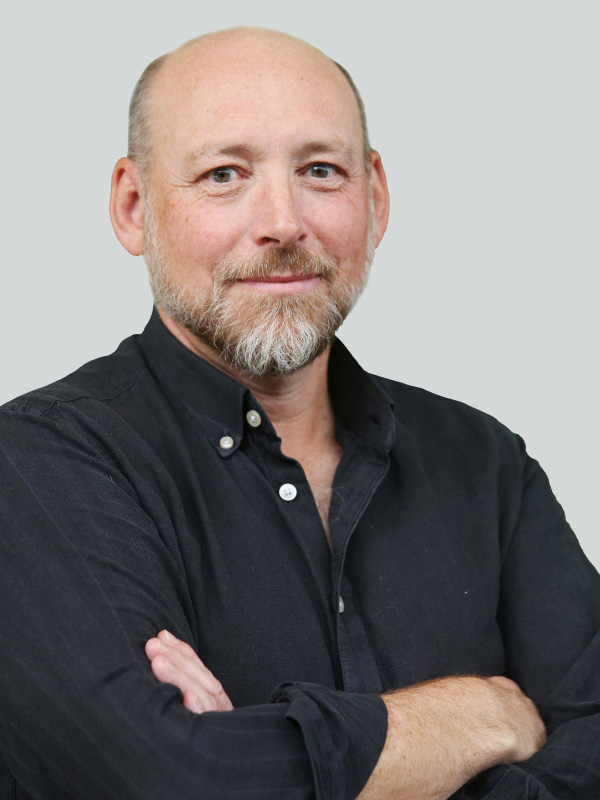
Hi, I’m Paul Ursell,

I’ve dedicated my career to making cataract surgery safer and easier for patients.

With over 25 years of experience and more than 10,000 cataract surgeries performed, I’m passionate about improving vision and quality of life.

I developed the ‘no needle, no patch’ technique now widely used across the NHS.

As Immediate Past President of the UK & Ireland Society of Cataract & Refractive Surgeons (UKISCRS), I’m here to bring you the highest standard of care.

Paul Ursell

MBBS MD FRCOphth
Go to Top